
If you have been told you need a bone graft before getting dental implants, it is natural to wonder why. In a recent video, our team walks through the different types of bone grafts we perform as implant providers, and the reason behind each one. The short answer is that implants need a solid foundation of bone to anchor into, and grafting is how we build or protect that foundation.

Bone grafting is not a single procedure. There are several distinct techniques, each designed for a different situation in the mouth. Here is a clear breakdown of the main types, why we use them, and how they help create a long-lasting result.
Watch: Why We Do Bone Grafts
Why Do We Do Bone Grafts at All?
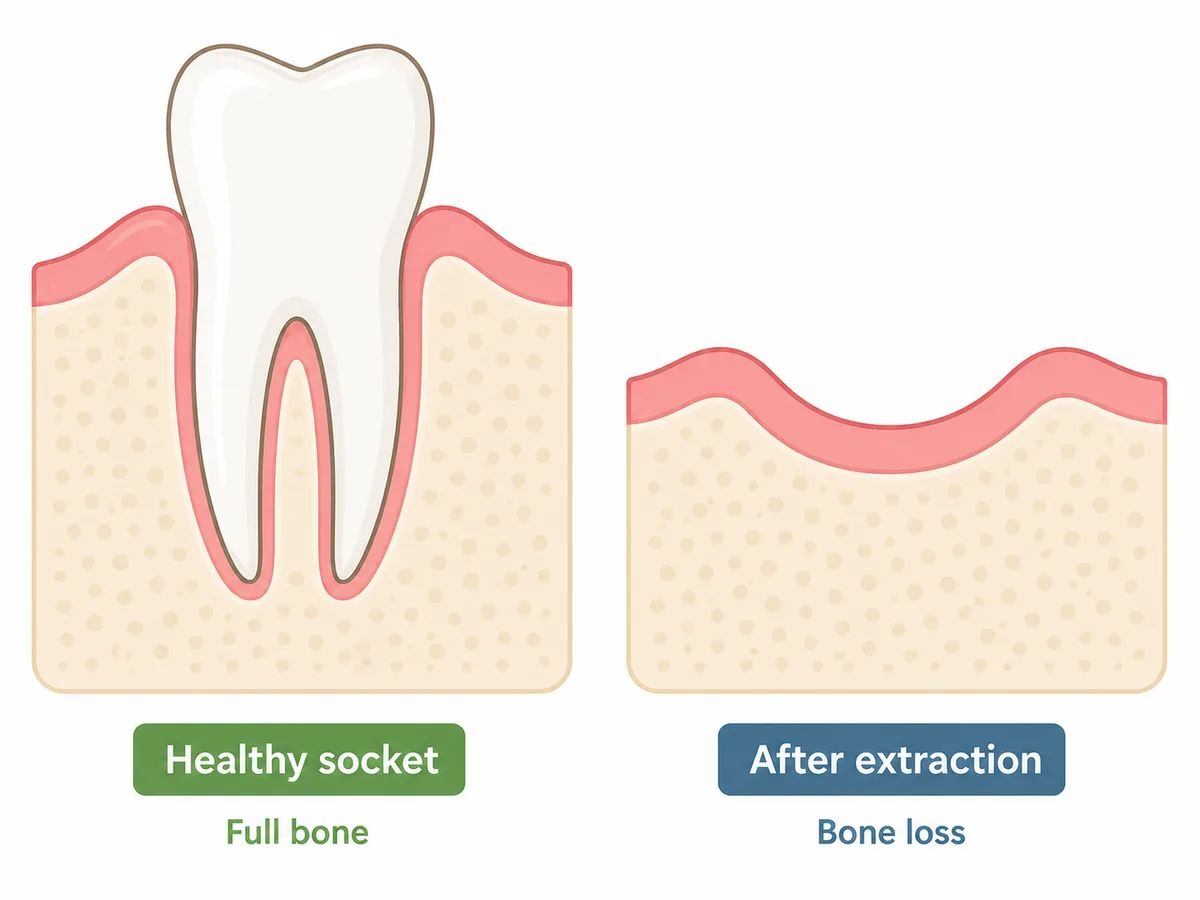
A natural tooth root constantly stimulates the bone around it. That signal is what keeps the bone in that area strong and full. The moment a tooth is removed and that stimulation stops, the body begins to reabsorb the bone in that spot. On an x-ray, you can actually watch the bone in the area shrink, or resorb, over time.
Because implants rely on healthy bone to hold them securely, that natural bone loss can become a problem. Bone grafting is how we either preserve the bone you have or rebuild what has already been lost, so there is enough healthy bone to place an implant that will last.
The Main Types of Dental Bone Grafts
There are several techniques we reach for depending on how much bone is present and where the implant needs to go. These are the ones we use most often.
1. Socket Preservation (Bone Preservation)
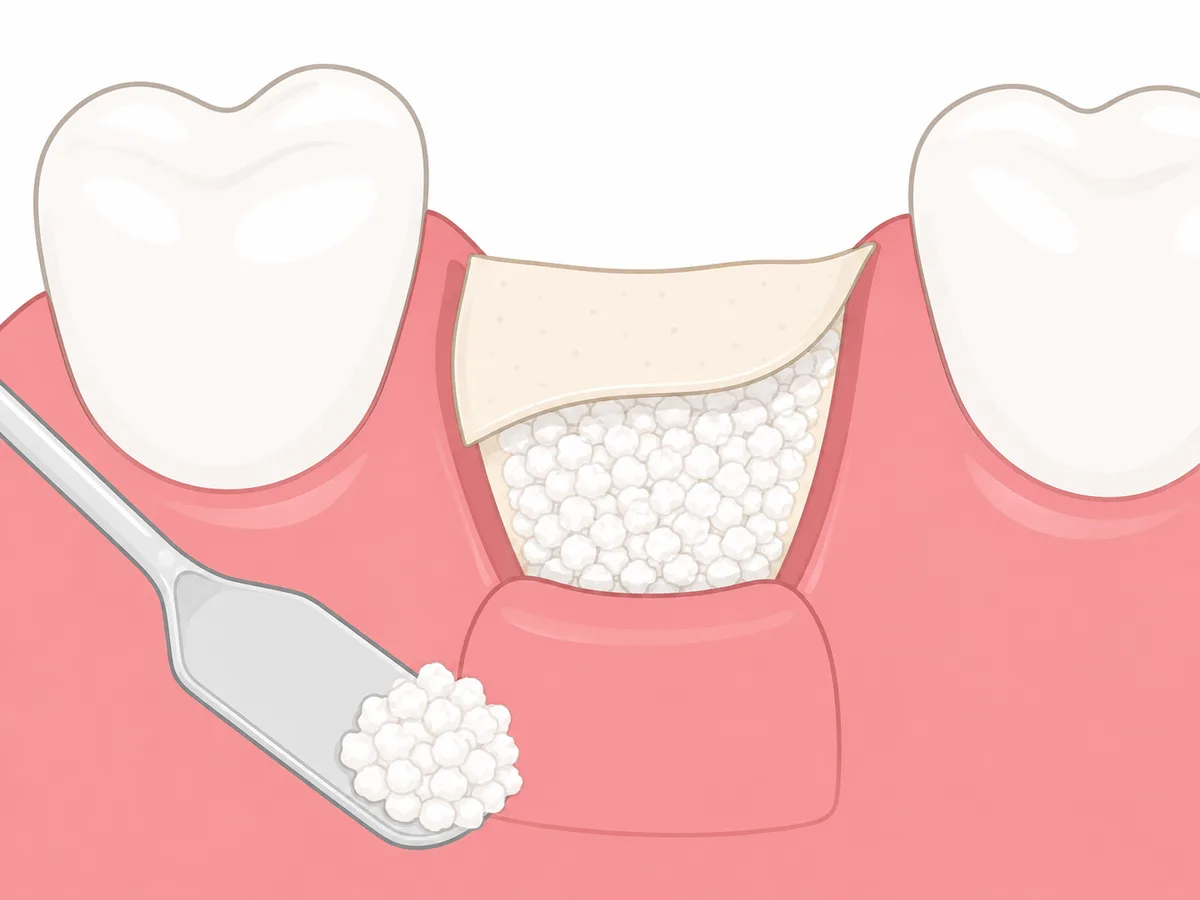
This is the most common and one of the simplest types of bone graft. When we remove a tooth, we can place bone graft material directly into the empty socket and cover it with a protective membrane. Because we do this at the exact moment the tooth comes out, it is called bone preservation, and it is the easiest way to keep the most bone possible.
Instead of letting the top few millimeters of bone wither away in the months after an extraction, socket preservation holds that bone in place from the very start. It is a small step at the time of a tooth extraction that can save you from needing a much larger graft later, and it keeps your options open for a future implant.
2. Sinus Lift (Sinus Augmentation)
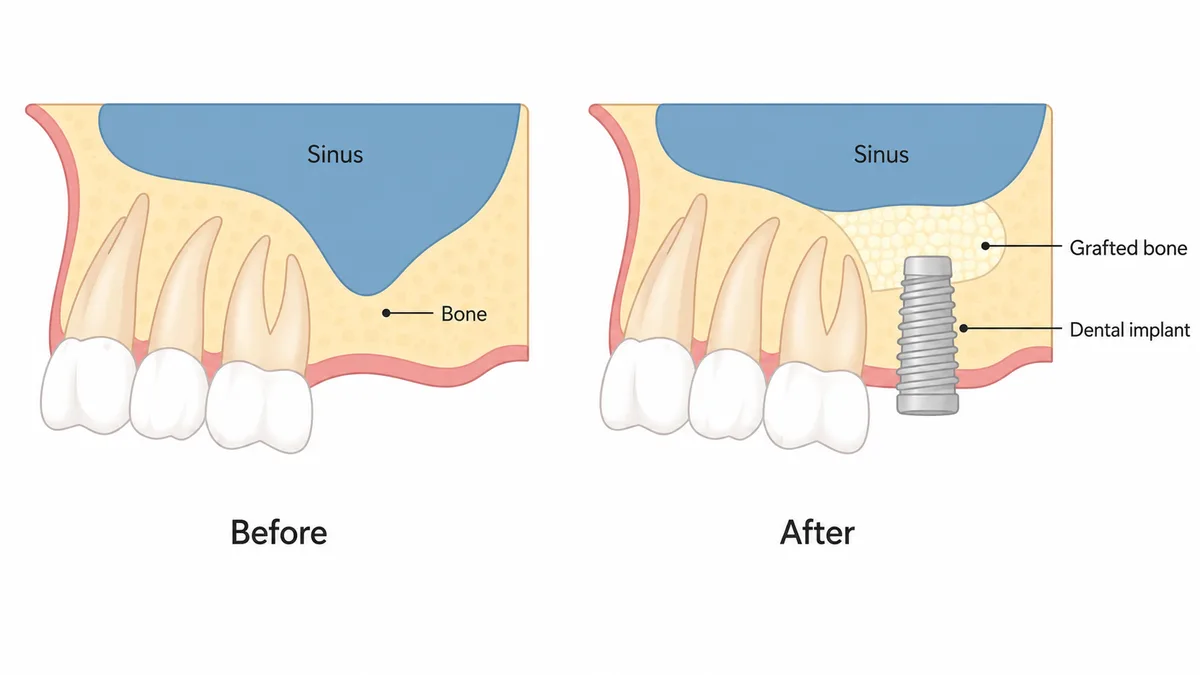
Toward the back of the upper jaw, the maxillary sinus sits just above where the tooth roots used to be. Sometimes there is simply not enough bone between the floor of the sinus and where an implant needs to go. In that case we perform a sinus lift: we gently lift the sinus membrane upward and pack bone graft material into the space beneath it.
Once that area heals, there is enough height for a secure implant. Depending on how much bone is present to begin with, we can sometimes place the implant at the same time as the sinus lift, while other cases need time to heal first before the implant goes in.
3. Ridge Augmentation (Onlay Grafts)
When the bony ridge that holds the teeth is too thin or too short, we use onlay grafts to build it back up. The goal is a ridge that is both thicker and taller, so it can support an implant. It is generally easier to grow bone outward, to widen a ridge, than it is to grow it upward to add height, but modern techniques have advanced dramatically and now allow us to do both. These methods keep improving, and they let us rebuild ridges that once would have ruled out implants entirely.
4. Ridge Splitting
If a ridge is healthy but simply too narrow, ridge splitting can be a great option. We carefully split the thin ridge, place the implant into the widened space, and then pack bone graft material around the implant. After a healing period, the bone fills in and locks everything into place. It is an efficient way to handle a narrow ridge without a separate, earlier grafting surgery.
Can You Avoid Bone Grafting Altogether?
In many cases, yes. Techniques like All-on-4 dental implants are designed to use the bone you already have, often the denser bone toward the front of the jaw, so a full arch can be restored without extensive grafting. For the right candidate, that can mean a faster path to a fixed smile, sometimes even new teeth in 24 hours. The only way to know which approach fits your mouth is a proper evaluation with a 3D scan.
The Goal: Enough Bone for Implants That Last
Every one of these techniques, socket preservation, sinus lifts, onlay grafts, and ridge splitting, exists for the same reason. We want enough healthy bone in the right place so that we can position implants accurately and have them serve as a long-lasting, permanent solution. Grafting is not an extra hurdle; it is the groundwork that protects your investment in your smile.
The reason we do all these different types of bone grafts is to get enough bone so we can place implants and have them be a long-lasting solution.
Find Out What Your Smile Needs in Longview, Tyler, or Shreveport
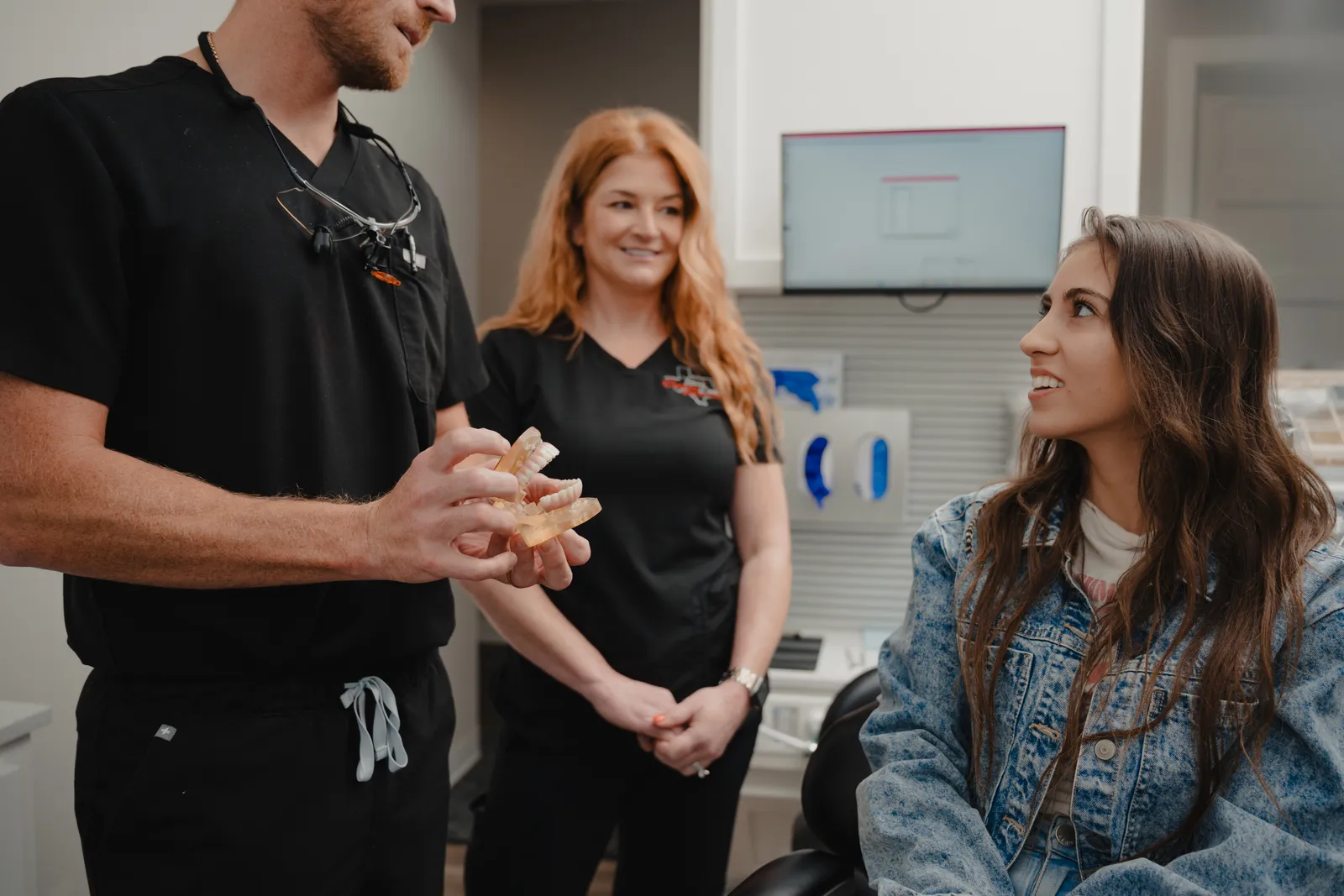
Whether you need a graft, an implant, or simply a clear answer about your options, the first step is a look at your bone with a 3D scan. Our team at Texas Sedation Dental & Implant Center in Longview, Tyler, and Shreveport can show you exactly what is happening beneath the surface and map out the right plan, including sedation if dental visits make you anxious. Schedule your complimentary Ultimate Smile Assessment today and find out what is possible for your smile.