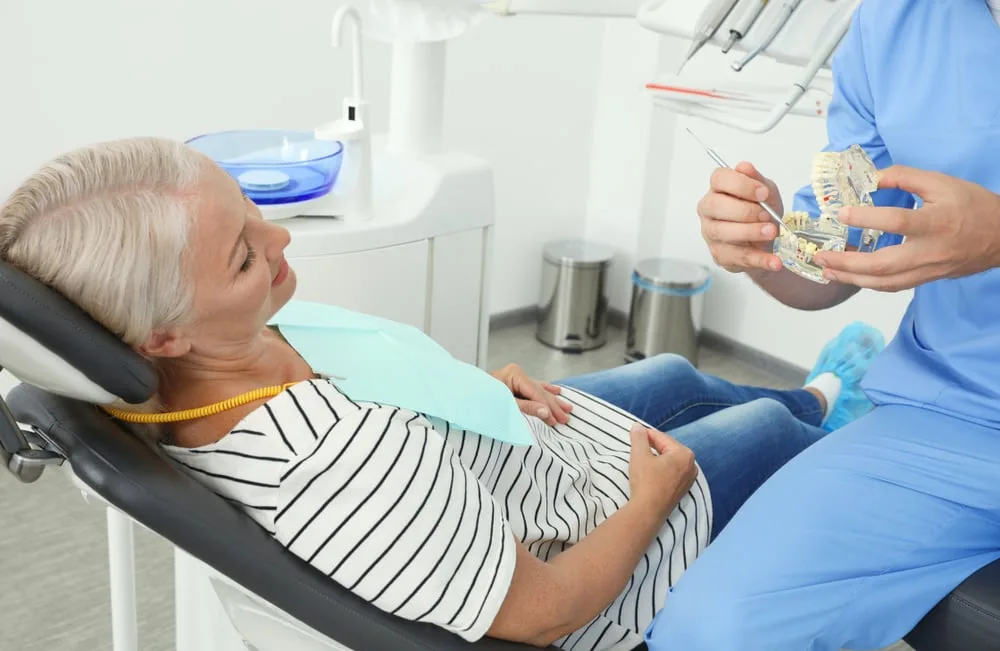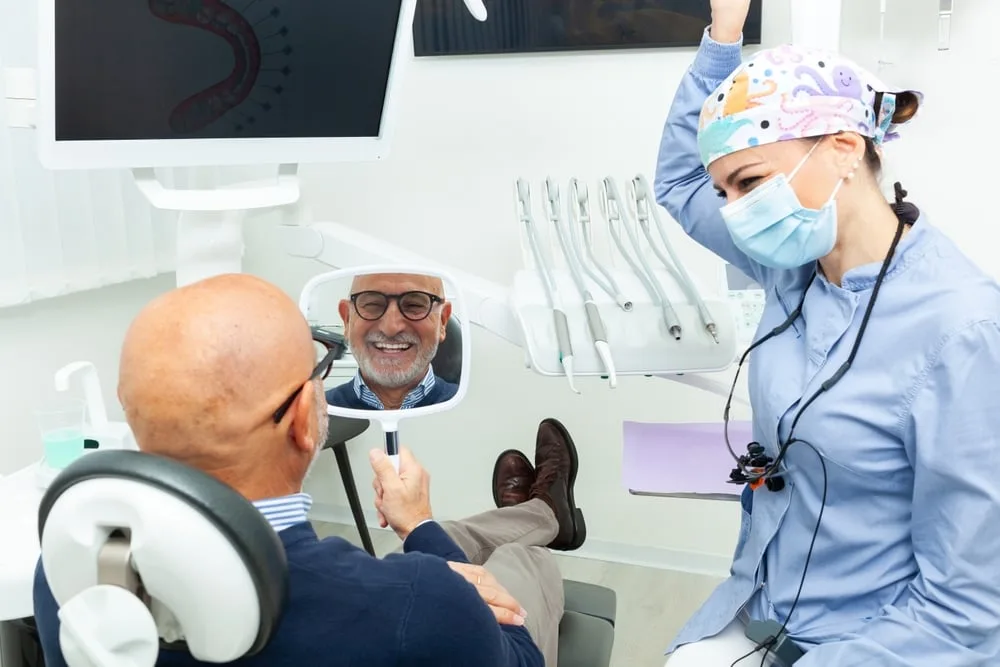
Missing teeth can make eating, speaking, and smiling uncomfortable. Over time, prolonged tooth loss also leads to jawbone deterioration. Many people worry that their jawbone is too weak or thin to support permanent dental implants. Fortunately, advanced dental technology offers a highly reliable solution. Texas Sedation Dental & Implant Center in Longview and Tyler, TX, and Shreveport, LA, regularly helps patients restore their smiles using the All-on-4 method. We offer advanced implant solutions for people with significant bone loss, such as zygomatic and pterygoid Implants.
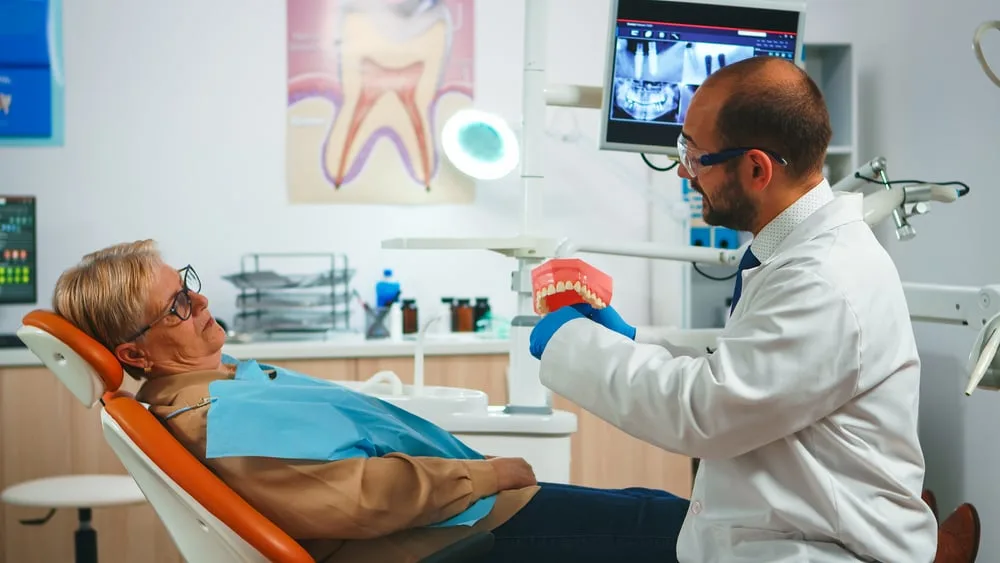
This innovative approach maximizes your existing bone to support a full arch of new teeth. Reading this guide will help you understand the specific bone conditions required for this treatment. You will learn how your jawbone density impacts your eligibility and why this method is often the preferred choice for restoring a complete smile.
Jawbone Density Requirements for Success
Dental implants need a solid foundation to remain stable. The jawbone must be dense enough to fuse tightly with the titanium implant posts. This natural healing process is called osseointegration. Traditional dental implants often require a high volume of thick, dense bone directly beneath the site of the missing tooth.
The All-on-4 method uses a completely different structural strategy. By placing the two back implants at a specialized 45-degree angle, dentists can utilize areas of the jaw where bone density is naturally higher and more robust. This means you do not need perfect bone health or massive bone volume to qualify for the procedure. The strategic angling provides a secure anchor for the prosthetic teeth, even in less-than-ideal bone conditions.
Explaining Moderate Bone Loss Cases
When a tooth goes missing, the jawbone in that specific area stops receiving mechanical stimulation from chewing. Without this stimulation, the body slowly absorbs the unused bone tissue. This process, known as bone resorption, leads to a shrinking jawline and premature facial aging.
People who have experienced moderate bone loss are often excellent all-on-4 implant candidates. The angled placement of the posterior implants bypasses the areas with the most severe bone deterioration. Dentists can anchor the long titanium posts into stronger, more stable bone located further back in the jaw. As a result, patients who have been missing teeth for several years can still achieve a secure, permanent smile without relying on the weakened sections of their jaw.
Upper vs. Lower Jaw Differences
The human jaw consists of two distinct parts, and each has very different bone characteristics. The lower jaw, known as the mandible, generally features denser, harder bones. The upper jaw, or maxilla, is typically softer, more porous, and sits very close to the sinus cavities.
Because of the upper jaw's softer texture and its proximity to the sinuses, placing traditional implants there often poses a significant clinical challenge. The All-on-4 technique navigates these structural differences effectively. In the upper jaw, the angled placement helps the implants avoid the sinus cavity entirely. In the lower jaw, the angling helps avoid the sensitive nerve canal running through the mandible. Both anatomical variations are handled safely to ensure maximum stability for your new teeth.
Comparing All-on-4 to Cases Needing Bone Grafts
Patients with significant bone loss usually require a bone grafting procedure before they can receive traditional dental implants. A bone graft involves taking bone grafting material and placing it into the weakened jaw to build up the area. This adds several months of necessary healing time to the overall dental implant timeline, along with additional surgical costs.
The All-on-4 procedure frequently eliminates the need for bone grafting. By utilizing the available bone at precise angles, the implants achieve immediate mechanical stability. Patients save valuable time, avoid an extra invasive surgical procedure, and experience a much faster recovery period. While the most severe cases of bone loss might still require some preparatory work, the vast majority of patients can bypass bone grafting entirely.
The Ultimate Smile in 24 Hours
At Texas Sedation Dental & Implant Center, we offer the revolutionary All-on-4 dental implant procedure. This groundbreaking technique allows patients to receive a full set of fixed temporary teeth within 24 hours of surgery, often without the need for bone grafting or multiple surgeries. We call it The Ultimate Smile in 24 Hours.
Take the Next Step Toward Your New Smile
Understanding your jawbone health is the first crucial step toward restoring your missing teeth. Even if you have experienced moderate bone loss over the years, a permanent and highly functional smile is entirely possible.
The dental experts at Texas Sedation Dental & Implant Center in Longview and Tyler, TX, and Shreveport, LA, are ready to evaluate your unique bone structure and discuss your treatment options. Schedule a complimentary Ultimate Smile Assessment with our team today to find out if this innovative dental implant solution is the right choice for your oral health.